




Hotel marketing is the set of strategies — SEO, a direct-booking website, paid ads, reputation management and social media — used to attract guests and convert them into confirmed reservations, ideally through your own website rather than an OTA that charges 15-20% commission.
Every booking that comes through an OTA is a booking you paid a toll on. That toll is fine when OTAs are genuinely bringing you new guests you couldn’t reach otherwise — but for a large share of hotels, OTA dependency has crept up simply because their own direct channel was never built to compete. A proper hotel marketing strategy fixes that balance.
Why OTA Dependency Quietly Erodes Margins
A hotel running 70-80% of bookings through OTAs is effectively paying a permanent 15-20% tax on most of its revenue. Over a year, that’s often the single largest line item in the business after staff and utilities — and it’s the one most within a hotel’s control to reduce.
Build an SEO-First Hotel Website
- Fast-loading, mobile-first design — most hotel research happens on a phone
- A booking engine that’s as fast and easy as an OTA checkout, not a clunky third-party redirect
- Location + amenity + occasion keyword targeting (“hotel near Vadodara railway station”, “business hotel with conference room”)
- LodgingBusiness schema and clear, accurate NAP (name, address, phone) information
Google Business Profile and Google Hotel Ads
A fully optimised Google Business Profile puts you directly in front of “hotels near me” and Maps-pack searches, at no media cost. Layer Google Hotel Ads on top, and your direct rate can appear right alongside OTA rates in the same booking comparison box — often the single highest-converting placement available to a hotel.
Paid Social and Remarketing
Meta and Instagram ads work well for both new-guest discovery and remarketing. Retargeting website visitors who checked rates but didn’t book typically delivers the lowest cost-per-booking of any paid channel, since you’re re-engaging people who already showed real intent.
Reputation Management and Review Generation
Reviews influence both bookings and rankings. Build a simple, repeatable process — a post-stay message asking happy guests for a review, and a fast, professional response to every review, positive or negative. A hotel with 200+ recent, well-managed reviews consistently outperforms a competitor with fewer or older reviews, even at a similar star rating.
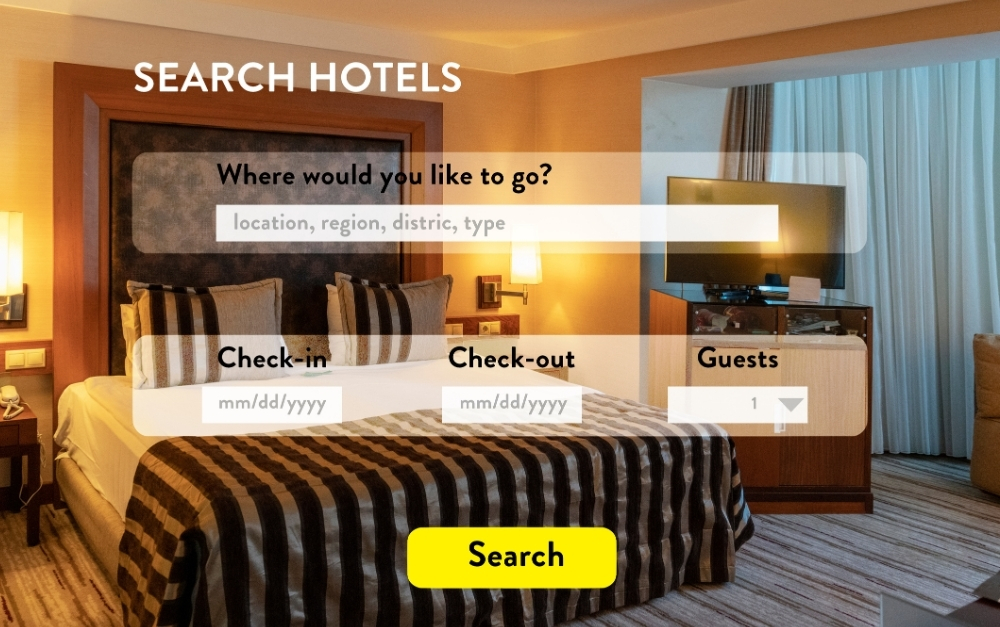
Measuring ROI: Direct Bookings vs OTA Bookings
Track direct bookings as a percentage of total bookings month over month, not just total revenue. A hotel that shifts from 20% to 35% direct bookings over a year has meaningfully improved profitability even if total booking volume stayed flat — because it’s keeping far more of every rupee earned.
Common Hotel Marketing Mistakes to Avoid
A surprising number of hotels invest steadily in marketing without seeing proportional results, usually because of a small set of recurring mistakes rather than any single big failure.
- Pausing marketing during low season instead of shifting strategy — this is often when the cheapest, highest-value bookings for the next peak season are won
- Running rate-parity-breaking promotions that undercut OTA agreements and create channel conflict
- Sending all paid traffic to a homepage rather than a page matched to the ad’s specific offer or keyword
- Not tracking which channel a booking actually came from, which makes it impossible to know where to invest more
- Under-investing in photography, despite it being one of the highest-impact, one-time costs in the entire marketing budget
Building a Realistic Monthly Marketing Budget
As a general starting benchmark, independent hotels commonly allocate somewhere between 4% and 8% of room revenue to marketing, split roughly across paid media, SEO/content, and tools or agency fees — though the right number varies significantly with competition level, brand recognition and current OTA dependency. A hotel just beginning to build its direct channel typically needs to front-load spend into SEO and website improvements in the first 6-12 months, then shift a larger share toward paid media and retention once that foundation is in place.
Frequently Asked Questions
What is hotel marketing?
Hotel marketing is the combination of SEO, paid advertising, social media, Google Business Profile management and reputation management used to attract guests and convert them into bookings, with particular emphasis on driving bookings through your own website rather than paying OTA commission.
Should a hotel try to eliminate OTAs entirely?
Rarely a good idea. OTAs bring genuine incremental reach, especially for new or lesser-known hotels. The goal isn’t zero OTA bookings — it’s a healthier balance, typically shifting 10-20 percentage points of bookings toward direct channels over 12 months.
How quickly can a hotel see results from a new marketing strategy?
Paid ads and Google Business Profile improvements can show results within weeks. SEO and reputation-driven ranking improvements typically take 3-6 months to build meaningfully, with the strongest compounding gains appearing after 6-12 months.
How much should a hotel budget for marketing?
A common starting range is 4-8% of room revenue, though this varies with competition, brand recognition and how OTA-dependent the hotel currently is — hotels earlier in building their direct channel often need to front-load spend into SEO and website work.